
Services
Need a trusted partner with your van conversion project?
Let Our Highly Experienced Campervan Conversion Team do the Difficult Jobs
We understand the satisfaction that comes from a self-build project, but we also know that some tasks require specialist tools and expertise. Whether it’s installing a safe off-grid electrical system, fitting a new water tank, or cutting windows, our team is here to help you complete your build with confidence.
Off-Grid Electrical Systems
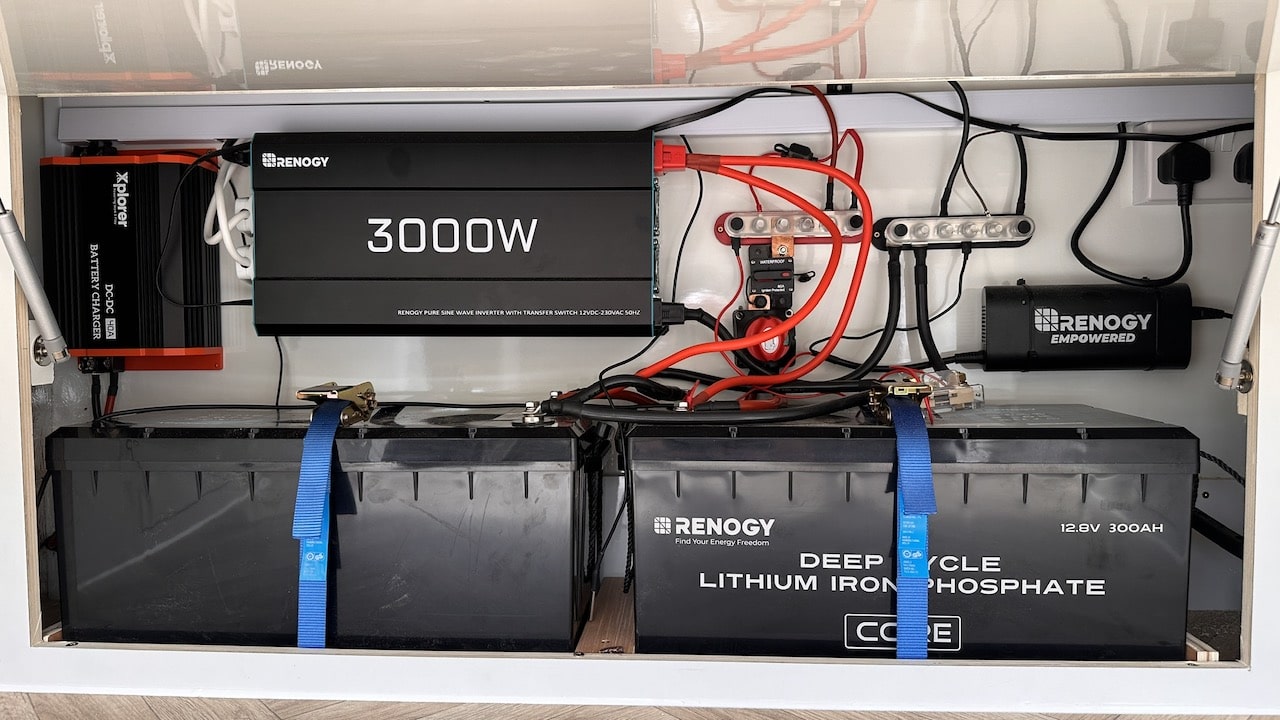
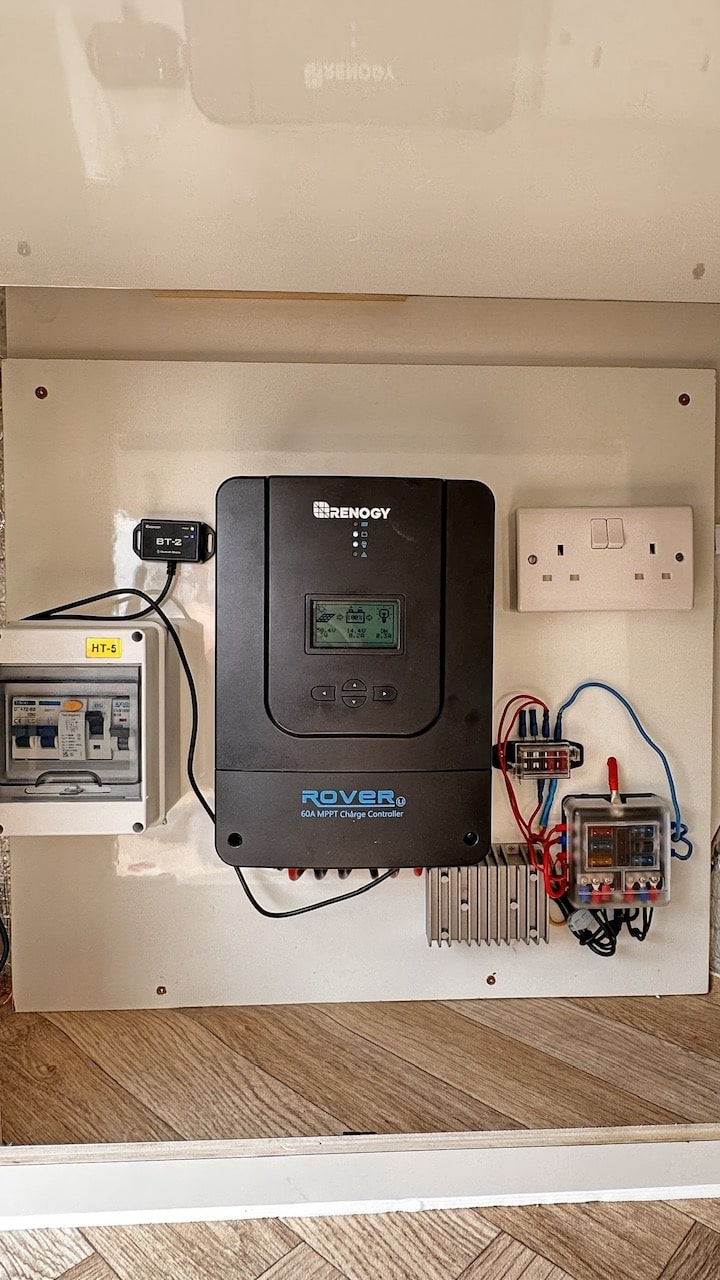
From simple leisure battery setups to complete off-grid solar systems, our professional installations provide the safe, reliable power you need for true freedom on the road.
Insulation & Vapor Linings
Fitting Windows & Vents
Diesel Heater Installation
Water Tanks & Plumbing
DVLA Compliance Assistance
The difficult jobs, done with precision
Why Choose Our Norfolk Workshop?
We know how much passion goes into a self-build project. When it comes to the complex jobs that require a professional level of expertise and specialist tools, you need a partner you can trust. Our service is built on a foundation of meticulous craftsmanship, local accountability, and an unwavering commitment to safety and quality.
Expert Craftsmanship
Meticulous attention to detail in every task we undertake.
Norfolk-Based Workshop
A personal, local service you can see and trust.
Off-Grid Specialists
Guaranteed Compliance
FAQs
How much solar power do I need for off-grid working?
The amount of solar power you need depends entirely on your personal energy consumption. A setup for someone running a laptop, monitor, and Starlink for 8 hours a day will be very different from that of a weekend adventurer who just needs to power a fridge and some lights.
The first step in our design process is to conduct a “power audit” with you. We’ll go through all the devices you plan to use and calculate your estimated daily energy consumption. Based on this, we can design a perfectly balanced system, matching the right amount of solar panel wattage with the appropriate battery bank capacity to ensure you have reliable power whenever you need it, year-round.
What’s the difference between a LiFePO4 (Lithium) and an AGM leisure battery? Which is right for me?
Choosing the right leisure battery is key to your off-grid freedom. The two main technologies are AGM (Absorbed Glass Mat) and LiFePO4 (Lithium Iron Phosphate).
- AGM Batteries are a proven, reliable lead-acid technology. They are a good budget-friendly option, but you can only safely use about 50% of their advertised capacity. For example, a 100Ah AGM battery gives you about 50Ah of usable power.
- LiFePO4 (Lithium) Batteries are the modern standard for serious off-grid use. While they have a higher upfront cost, they offer huge advantages:
- More Usable Power: You can safely use 90-100% of their capacity. A 100Ah Lithium battery provides nearly double the usable power of a 100Ah AGM battery.
- Longer Lifespan: They can last up to 10 years or more, handling thousands of charge cycles compared to the 3-5 year lifespan of an AGM battery.
- Lighter Weight: They are up to 70% lighter than an AGM battery of the same capacity, which is great for fuel efficiency.
Our Recommendation: For clients planning to work remotely, spend extended time off-grid, or run power-hungry appliances like a fridge and heater, we strongly recommend a Lithium system. The long-term performance and reliability are well worth the investment. For more casual weekend use with access to campsites, an AGM system can be a suitable choice.
What are the best heating options for year-round use?
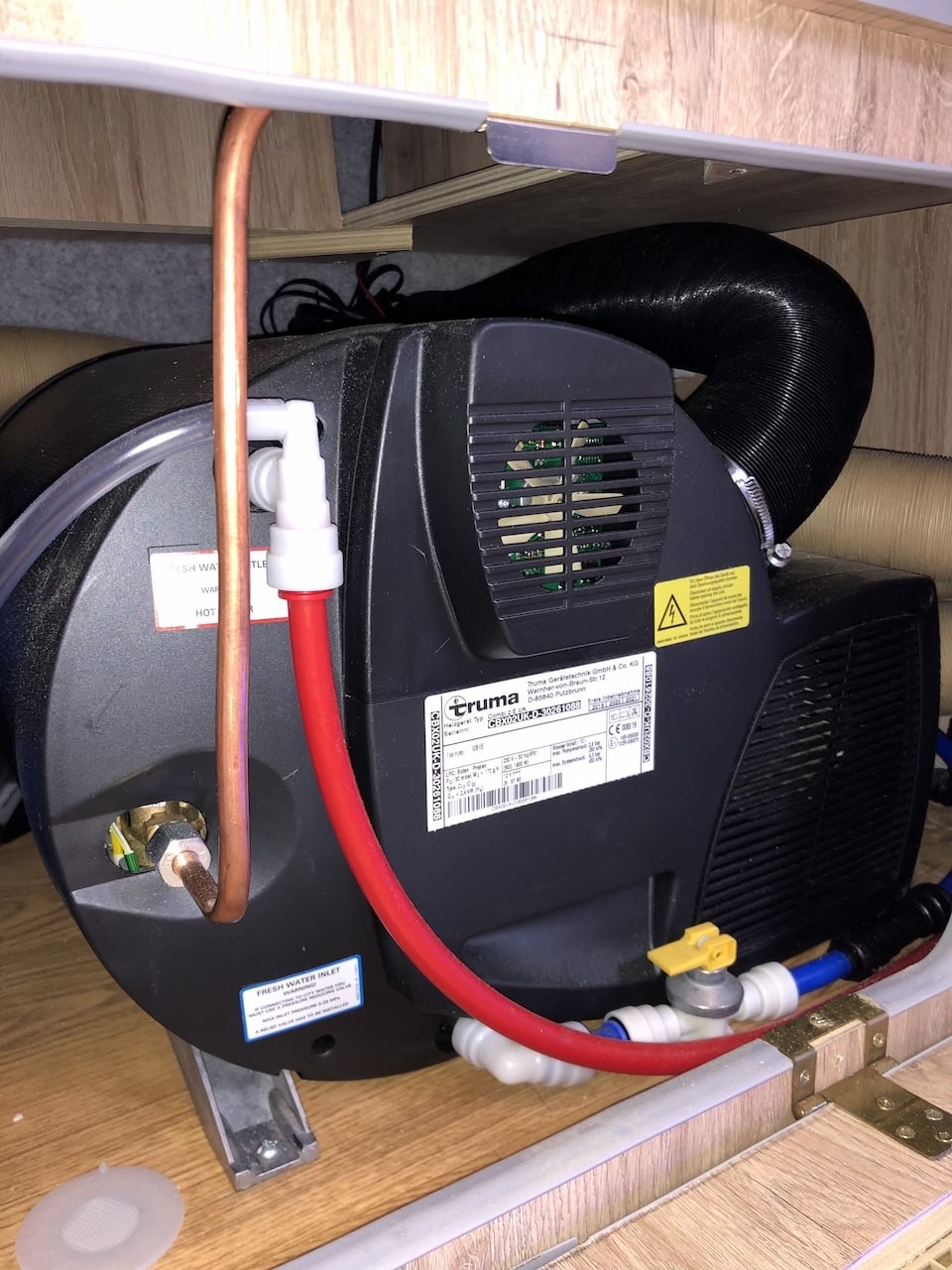
To make your campervan a true year-round adventure vehicle, a high-quality blown-air heater is essential. The most popular and reliable option is diesel:
Diesel Heaters like Webasto, Truma, or Eberspächer are incredibly convenient as they tap directly into your van’s main fuel tank. This means you only have one fuel source to manage, and you can easily see your fuel level. They are extremely efficient and provide a powerful, dry heat.
What type of insulation do you use?
Proper insulation is the foundation of a comfortable and durable campervan. We use a multi-layered approach to ensure your van stays warm in the winter, cool in the summer, and protected from condensation. Our primary insulation material is a high-performance quilt made from recycled plastic bottles. It’s not only a sustainable choice but is also non-irritant and does not absorb moisture, which is critical in a van environment.
Crucially, we install a complete vapour barrier on the walls, ceiling, and floor. This sealed layer prevents warm, moist air from the living space from reaching the cold metal skin of the van, which is the primary cause of condensation, mould, and rust. It’s a vital step that ensures the long-term health and longevity of your van.
Should I choose an internal or an underslung water tank?
This is a great question that comes down to a trade-off between interior space and all-weather capability.
- Underslung Tanks are fitted underneath the chassis of the van. Their main advantage is that they don’t take up any valuable cupboard space inside your living area.
- Internal Tanks are located inside the van, typically within a kitchen unit or bench seat. Their key benefit is that they are protected from the elements.
Our Recommendation: For the UK climate, we almost always recommend an internal water tank. An underslung tank, even when insulated, is at risk of freezing in cold winter weather, which could leave you without running water and potentially damage your plumbing system. An internal tank completely eliminates this risk, ensuring your van is ready for adventures in all four seasons.
Do I need to re-register my van as a ‘Motor Caravan’ with the DVLA?
However, the crucial point is for insurance. We work with specialist campervan insurance providers who have confirmed that to insure your vehicle as a campervan, you need to have met the internal requirements, but the body type on the V5C does not necessarily need to be changed.
We build all our conversions to meet the internal DVLA requirements as a minimum standard. We also offer a DVLA Compliance Assistance service where we can guide you through the full reclassification application process if you wish to have it officially changed on your V5C for peace of mind.
How do I insure my campervan, especially while it’s being converted?
A key question we get asked is what happens during the build process. You can rest assured that from the moment you leave your van with us until the day you collect it, it is fully covered by our comprehensive motor trade insurance policy. This policy covers your vehicle against damage or theft while it is in our custody at our workshop.
What kind of warranty do you provide on your work?
What aftercare and servicing support do you offer?
We are always available for any future upgrades or modifications you might dream up. Whether you decide you want to add a bike rack, upgrade your solar power, or install an awning, we’re here to help you continue evolving your van as your adventures change.
Need Help With Something Else?
If you have a specific challenge in your van build that isn’t listed above, or just want an expert to check your plans over, get in touch. Our team has a wide range of skills and we’re always happy to discuss custom projects.